
Walk-up unit renovations
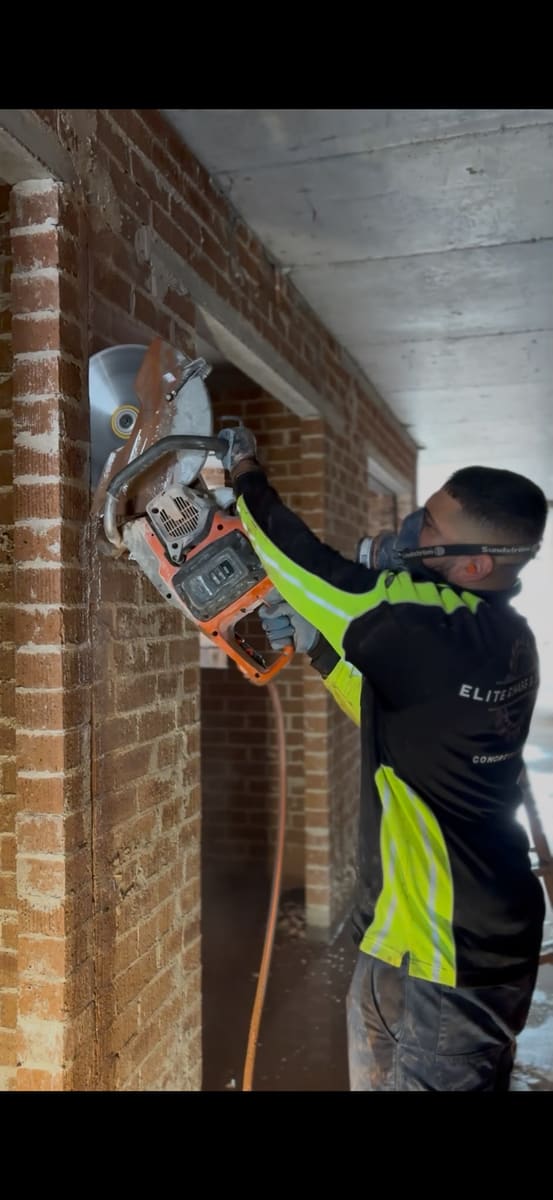
Bathroom and kitchen refits in the 1930s–70s blocks along the beaches — core holes for new waste and water, chases for the rewire, all with a building manager watching.
Eastern Suburbs · Sydney
The Eastern Suburbs are our home patch. Between the beachside walk-up blocks, the Federation semis and the terraces off Oxford Street, most of what gets cut out here is old, solid and attached to someone else’s wall — so it pays to have a crew that has worked in these streets before.
Local work
Bathroom and kitchen refits in the 1930s–70s blocks along the beaches — core holes for new waste and water, chases for the rewire, all with a building manager watching.
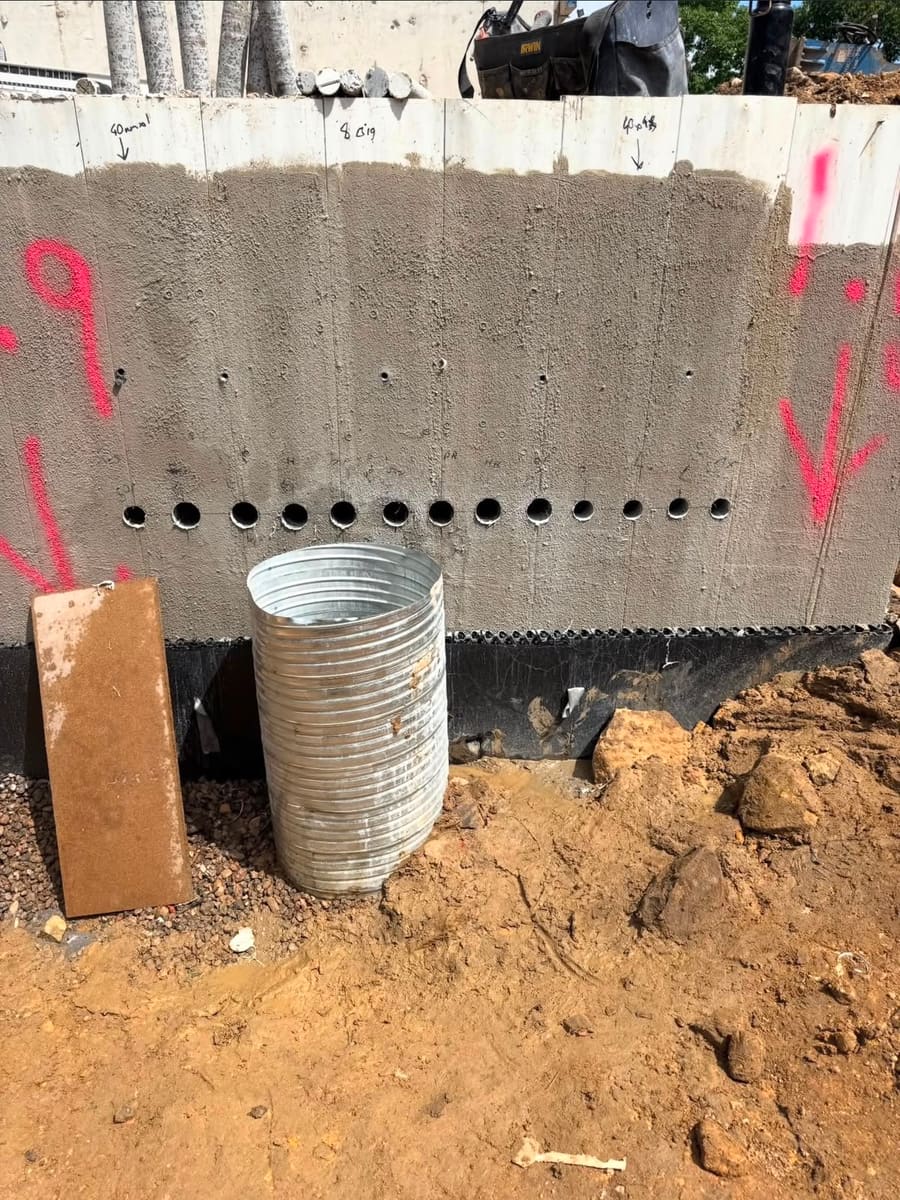
Penetrations through balcony slabs and retaining walls for new drainage on blocks where the original falls never worked.
Wall penetrations for air-con pipe runs through double brick, cored clean so the installer is not chipping his way through.
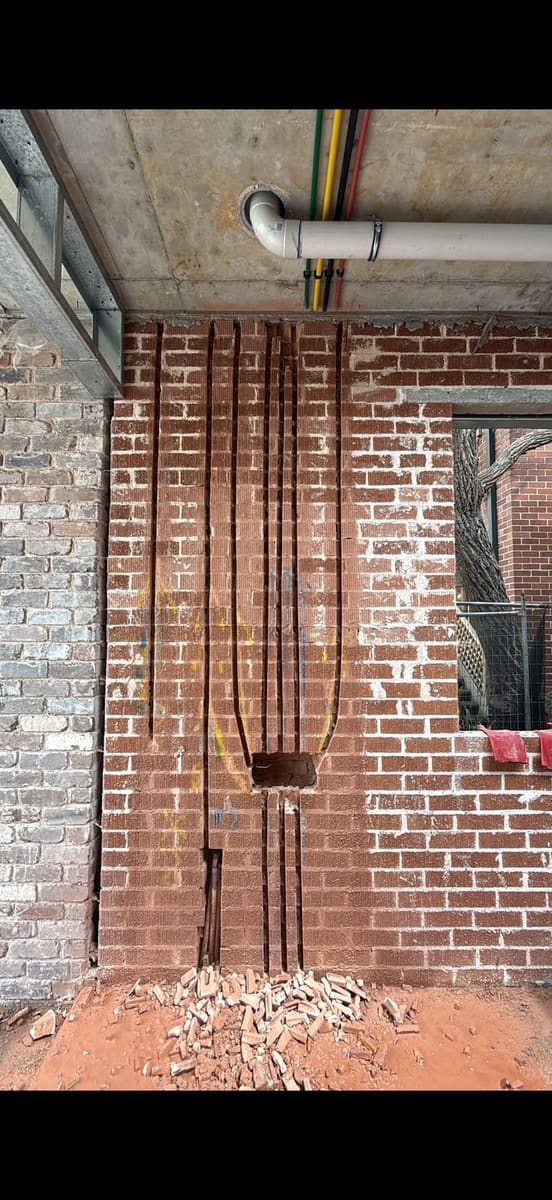
Chases for power, data and mains runs in party walls and sandstone-footed terraces, cut to depth and no further.
Saw cuts through old concrete driveways and paths for new crossings, drainage and pit connections.
Fire-rated penetrations, hydrant and sprinkler cores, and remedial cutting on blocks under a building report.
Wall chasing · Eastern Suburbs
Yes. Almost every house out here is double brick, and almost every renovation needs services run through it. Chasing is the bulk of what we do in the Eastern Suburbs — straight channels cut to the conduit, with the dust pulled off the tool rather than through the house.
Core drilling · Eastern Suburbs
Yes. Coring in the Eastern Suburbs mostly means old suspended slabs and solid double brick, in buildings where the flat below is occupied. Wet coring, sealed rigs and a clean hole exactly where it is marked.
Road sawing · Eastern Suburbs
Yes. Getting services into an Eastern Suburbs property usually means going through the driveway, the footpath or the road. Road sawing gives the excavator a clean, straight, deep line to dig to, so the reinstatement looks like it was always there.
Suburb by suburb
Same gear, different buildings. What each suburb tends to throw at the cut:
Bondi is walk-up blocks, semis and a renovation on every second street. Most of what we cut here is solid double brick or a 1960s suspended slab, in a building where someone else lives above the ceiling you are coring through.
Bondi Junction is the commercial end of the Eastern Suburbs — towers, retail and high-rise residential stacked around the interchange. That means booked lift times, loading dock windows and a tenant below who is still trading while you cut.
Randwick runs from Federation houses and semis through to the hospital and university precinct, so the work swings between a rewire in a 1910 brick home and a services penetration in a medical fitout — often in the same week.
Coogee is older brick blocks and beachside semis, most of them a few streets back from salt air that has been working on the reinforcement for fifty years. Renovation work here is constant and the buildings are rarely square.
Maroubra has the bigger blocks of the Eastern Suburbs — 1960s and 70s brick homes with real driveways and room out the back. A lot of the work here is granny flats, garage conversions and driveways that have to be opened up to get services through.
Paddington is terraces, and terraces are the fussiest work there is. Party walls, heritage controls, no off-street parking and a neighbour who shares the brickwork you are cutting into. It can all be done — it just has to be done properly.
Double Bay work tends to be high-end and tight: basement garages cut into a slope, lift pits going into existing slabs, pools, and renovations where the finish matters as much as the cut. Clean edges and a clean site are not optional here.
Surry Hills is half terraces, half old warehouse floors full of cafes, studios and offices. A lot of our work here is fitout cutting done around a business that opens in the morning, plus the usual terrace renovation work behind it.
Getting to you
Parking is the real constraint out here, not the cutting. Narrow streets, resident-only zones and time-limited bays mean the gear has to come off the ute and onto the job quickly. We plan the load-in before we arrive, and where a building has booked lift or loading times we work to them rather than turning up and hoping.
Eastern Suburbs we cover
Questions
No. It is where we are based and where most of our work is, so there is no travel loading on an Eastern Suburbs job.
Yes, and a lot of our work is exactly that. Send through the building rules and the booked work hours and we will fit them. We are insured and SWMS go to the building manager on request.
Not usually. Tell us the address when you book and we will sort the load-in — most of these jobs we are carrying gear in anyway.
Yes. On-tool vacuum extraction keeps the dust in the machine, we sheet up before we start, and we clean as we go.
Deep enough for standard conduit and no deeper. There is a limit past which cutting weakens a masonry wall, particularly on long horizontal runs, and we will not go past it.
Yes. Wet coring uses a small amount of water vacuumed straight back up and the rig is ring-sealed to the slab. Where water is a problem we core dry with extraction.
Up to 600mm. Past that it usually becomes a saw cut instead, and we will tell you which is cheaper for what you need.
If the cut is in the road or the footpath, usually yes, and it is normally the head contractor or owner who applies. Tell us what has been approved and we will work to it.
Deep enough for a trench in a single pass. Give us the depth you need when you call and we will confirm what it takes.
Also on the truck
Quickest way to a price is a phone call. We answer on site.
0405 632 534